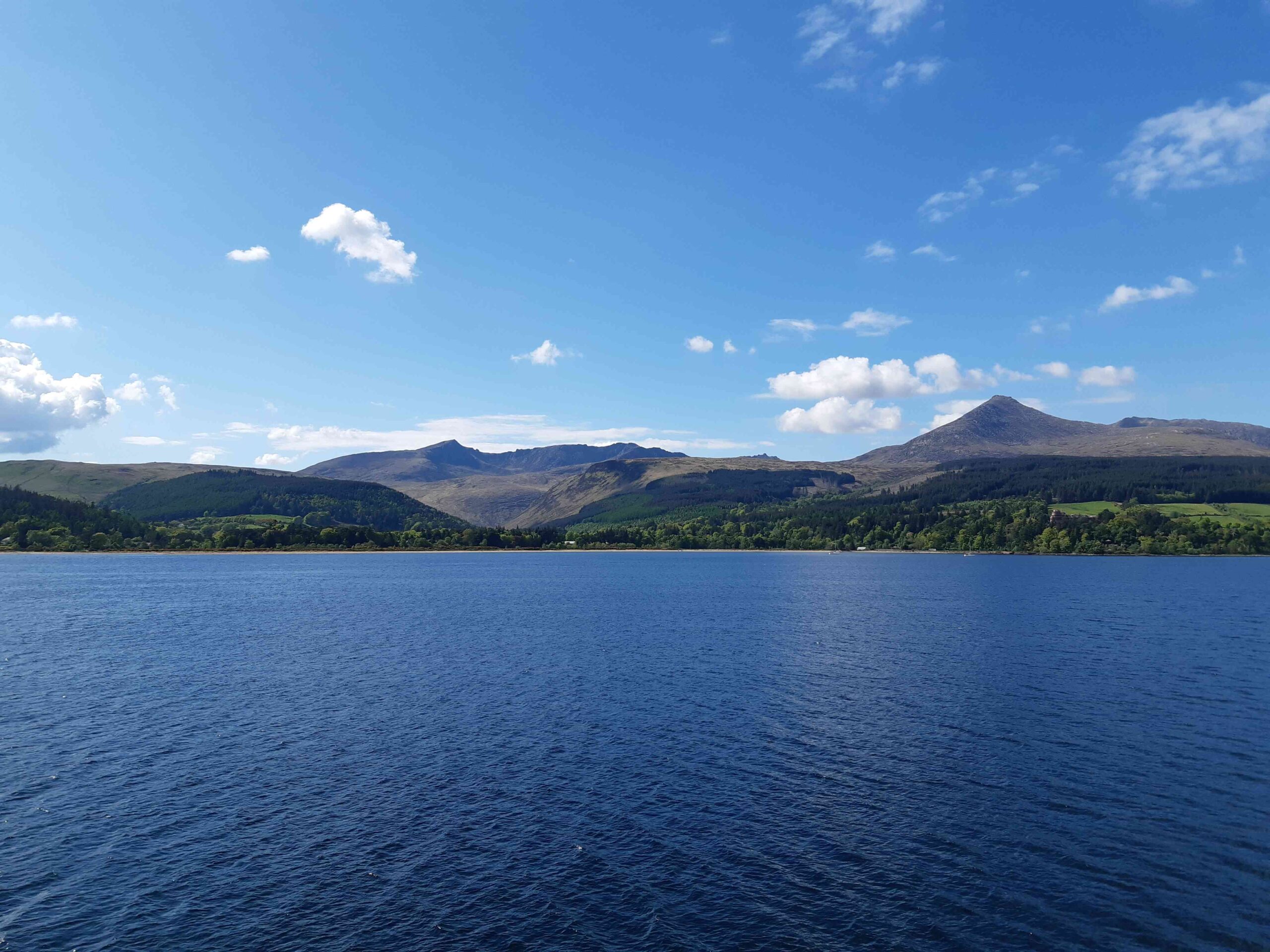
In May 2023, I had the opportunity to visit Scotland. The trip was funded by the Erasmus+ mobility programme and hosted by Archaeology Scotland. The aim of the trip was to learn more about community engagement and heritage management work done in Archaeology Scotland, with a particular focus on the Adopt a Monument program and ways to develop and improve it.
Adopt a Monument was introduced in Finland in 2008, following the example of the work done in Archaeology Scotland. Satakunta Museum, a regional museum located in Pori, Southwest Finland, joined the Adopt a Monument programme in 2018, and since then, the interest has grown steadily. Currently, we are about to launch our tenth project site. There are approximately 10 regional museums in Finland with Adopt a Monument programs, and together we have adopted about 50 sites, mainly located in the southern part of Finland.
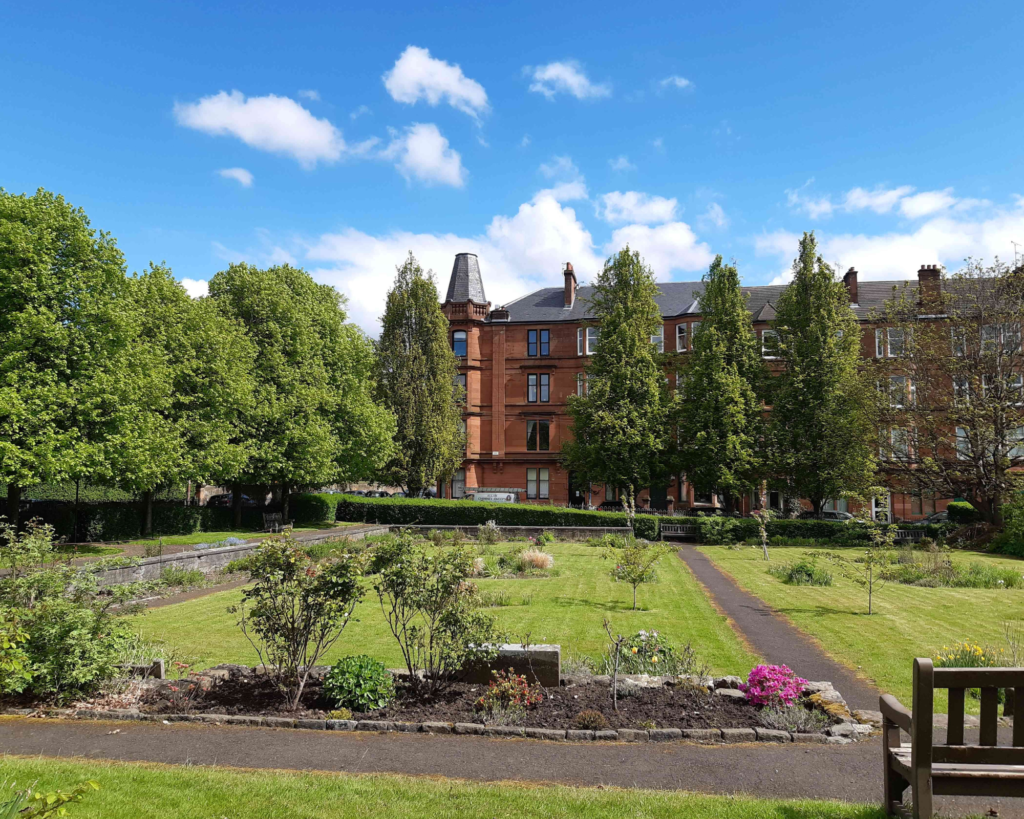
Hampden 1 in Glasgow. Hard to believe that this peaceful rose garden once was a football field!
During my study trip to Scotland, I visited magnificent archaeological sites, enjoyed breathtaking views, and met friendly, competent, and enthusiastic colleagues. Paul Murtagh gave me a guided tour of the old town of Edinburgh and the National Museum. After that, I explored the narrow streets on my own. With Phil Richardson, I visited Glasgow and its surroundings and learned about the New Audiences project. We both agreed on the importance of making archaeology accessible to all and using it to reach different audiences while highlighting the significance of archaeological sites and their preservation for future generations. As a football fan, I was thrilled to see the remains of the world’s oldest football field and hear about the excavations there!
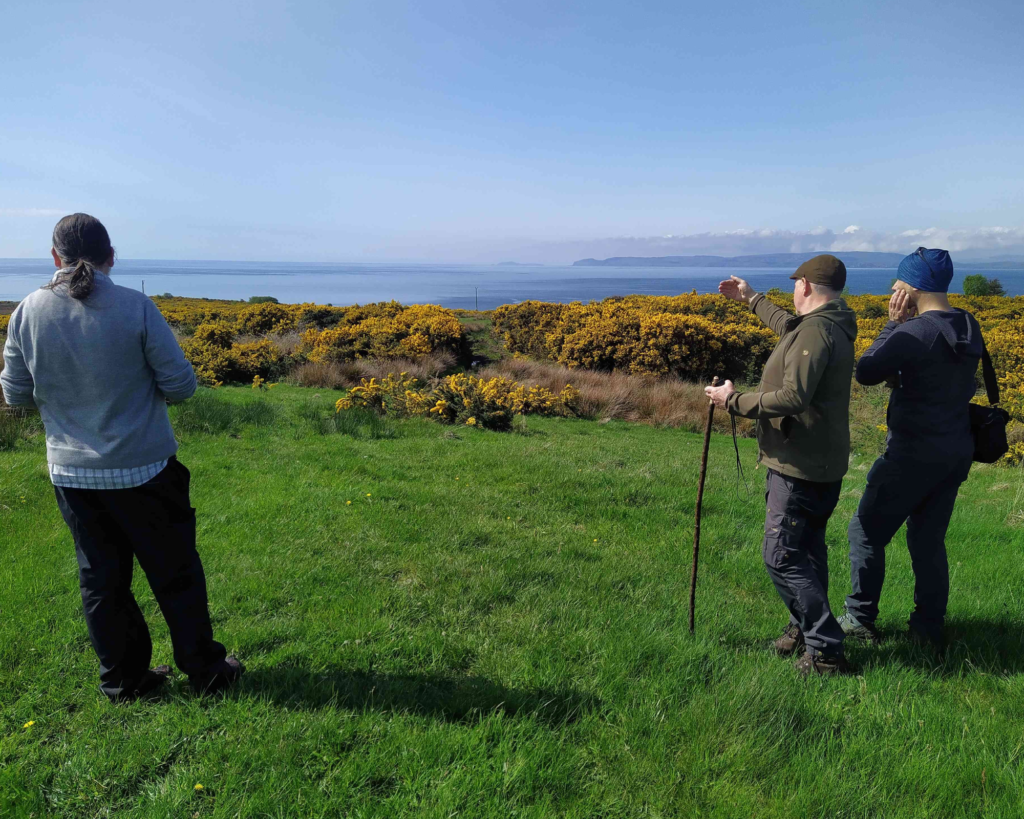
Exploring archaeology and geology at Dromadoon estate.
The highlight of the entire visit, however, was our excursion to the Isle of Arran, led by Gavin MacGregor. The green hills and valleys adorned with bright yellow gorse bushes, along with the deep blue sea and sky, made it feel like being in the middle of a David Attenborough nature documentary. We stayed overnight at Drumadoon farm, where I had the pleasure of meeting the landowner, David Bennet. He cooked us a delicious dinner with Scottish Pie and shared the history and future plans of the farm. The archaeological sites we explored, including the iron-aged hillfort, cursus monuments, and King’s Caves, were truly memorable. During our walks, we engaged in thoughtful discussions about site management and the challenges and opportunities in guiding and controlling visitors. These are the same questions we deal with in Finland.
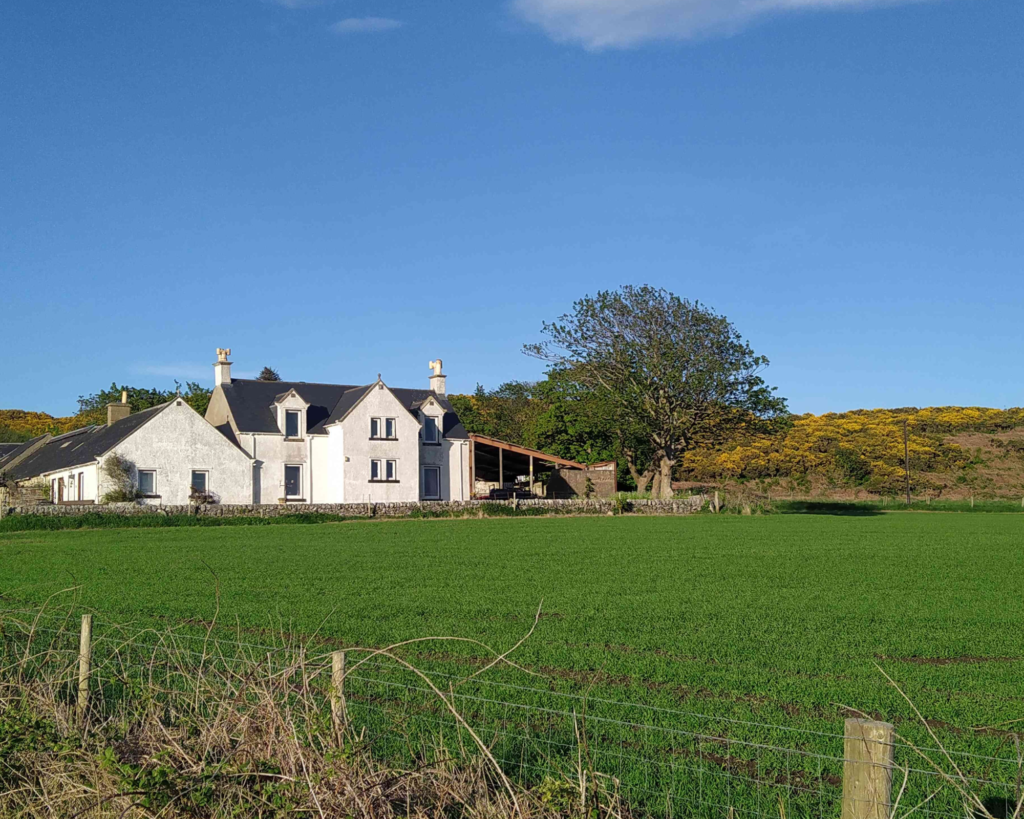
Beautiful Dromadoon farm
Last but not least, I had the opportunity to meet a Scottish adopter’s group at Dunfermline Abbey and Kirkyard, where local volunteers take care of the historic graveyard. I observed how they cleaned the headstones with soft brushes and wood and cotton sticks and learned about their efforts in historical research to uncover more about the graves. Andy Jepson introduced me to a practical way of scanning headstones with an iPad program. I also received a guided tour of the Abbey and the New Abbey Church, where I heard many stories about Robert the Bruce and Queen Margaret.
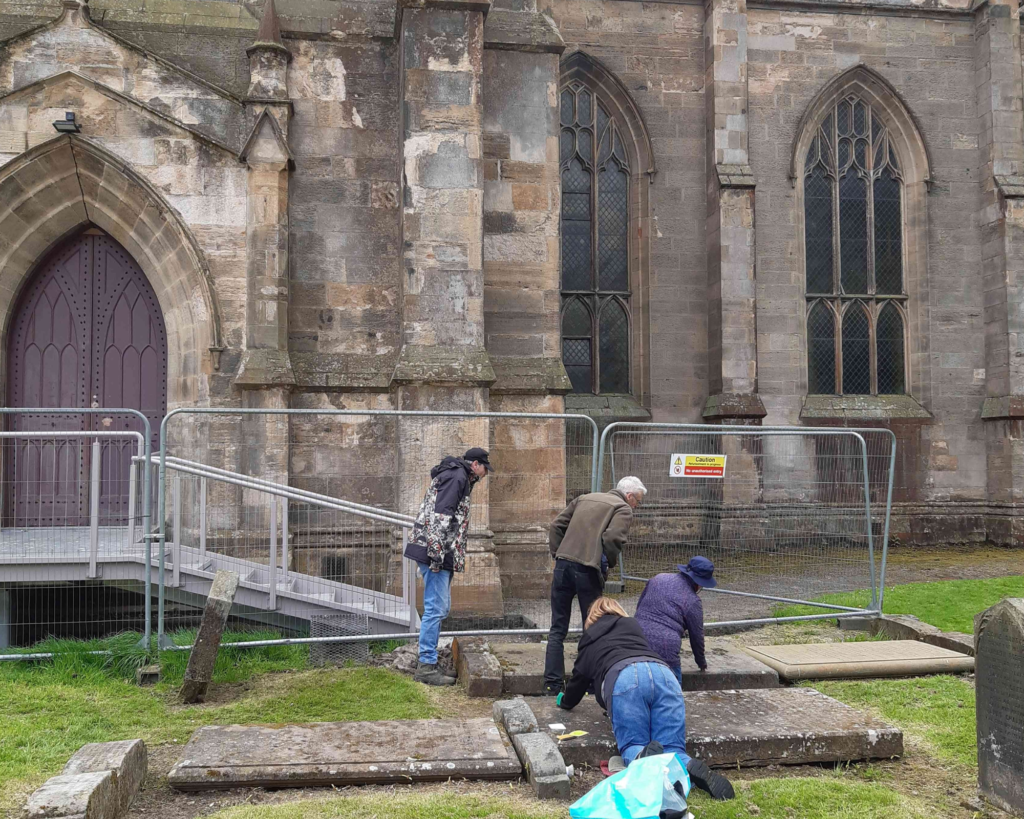
Volunteers working at the Dunfermline Abbey Church Kirkyard
The trip was inspiring and educational, and I truly enjoyed meeting both colleagues and volunteer workers. Scotland offered its best weather in May, and I mostly kept my raingear in the suitcase, though I did manage to get a sunburned neck. I would like to express my gratitude to everyone who made this trip possible, especially Phil, Gavin, Paul, and Andy at Archaeology Scotland, as well as David at Drumadoon. You all generously gave me your time and patiently answered my endless and sometimes silly questions. Our discussions provided me with many ideas and also reassured me that we share similar problems and joys, even though our surroundings and scales vary. I hope we can exchange thoughts again soon, and you are always welcome to Finland!
Article by Leena Koivisto | Satakunta Museum
July 2023
Satakunta Museum is the regional museum of the Satakunta region, located in Pori, South West Finland. The museum was founded in 1888 and is one of the oldest museums in Finland. Satakunta Museum serves as an expert and authority in matters related to the protection of the local cultural environment in the Satakunta region. Additionally, the museum steers, supports, and develops the region’s local museums and heritage work.
Leena Koivisto is an archaeologist and curator at Satakunta Museum in Pori, Finland, where she mainly focuses on heritage management and the protection of the cultural environment. Her strong interest has always been in the prehistory of her home region, Satakunta, particularly concerning the protection and management of ancient relics and archaeological sites found in the area. Earlier in her career, she worked as a curator for the Finnish Heritage Agency in the Section of Site Management.
All photos in this blog are copyrighted by Leena Koivisto and may not be used, reproduced, or distributed without permission.
Your membership or donation plays a crucial role in backing the work Archaeology Scotland does with and for communities. Become a member or donate today.